16Feb

For many people across the UK and Europe, long hours of sitting have become part of everyday life. Whether working at a desk, commuting, studying, or relaxing in the evening, prolonged sitting is now the norm rather than the exception. While it may seem harmless, extended periods of inactivity can significantly affect joint health.


Joint pain caused by long hours of sitting is increasingly common. Stiff hips, aching knees, tight shoulders, and sore lower backs are familiar complaints among office workers and remote professionals alike. Understanding why this happens — and how to prevent it — is essential for protecting long-term mobility and comfort.


Why Sitting Affects the Joints


The human body is designed for movement. Joints rely on regular motion to stay lubricated and nourished. When we sit for extended periods, circulation slows, muscles become inactive, and joints remain in fixed positions.


Synovial fluid — which lubricates joints — circulates more effectively when we move. Without movement, joints may feel stiff and less flexible. Over time, this stiffness can develop into discomfort and even chronic pain.


In many European cities where desk-based work dominates, people may sit for eight to ten hours a day. Even those who exercise in the evening can still experience the negative effects of prolonged daytime sitting.


Common Joints Affected by Prolonged Sitting


Hips


The hips are particularly vulnerable. Sitting keeps the hip flexor muscles in a shortened position, which can lead to tightness and imbalance. Over time, this may cause discomfort at the front of the hips or refer pain into the lower back.


Knees


When seated for long periods, the knees remain bent. This position can increase pressure behind the kneecap and reduce circulation. Many people notice knee stiffness when standing after a long meeting or car journey.


Lower Back


The lower back supports much of the body’s weight when seated. Poor posture — common during computer work — can strain spinal joints and surrounding tissues, leading to persistent aches.


Shoulders and Neck


Desk work often encourages rounded shoulders and forward head posture. This can strain the shoulder joints and cervical spine, causing discomfort that spreads into the upper back.


The Role of Muscle Weakness


Joint pain from sitting is not solely about inactivity; it is also about muscle imbalance. When certain muscles remain inactive for long periods, they weaken. Meanwhile, others may become tight and overworked.For example:

  • Weak gluteal muscles reduce hip stability.
  • Tight hip flexors increase lower back strain.
  • Weak core muscles fail to support the spine.
  • Tight chest muscles pull the shoulders forward.

This imbalance places additional stress on joints, increasing the likelihood of discomfort.


Circulation and Joint Stiffness


Sitting for extended periods reduces blood flow to the lower body. Reduced circulation can contribute to stiffness, particularly in colder climates across northern Europe where muscles may already feel tighter.When standing up after prolonged sitting, many people experience a temporary “locking” sensation in the hips or knees. While often harmless, frequent stiffness may indicate that joints are not receiving adequate movement.


Long-Term Consequences of Sedentary Habits


Occasional stiffness is common, but chronic inactivity may increase the risk of more serious joint issues over time.Potential consequences include:

  • Accelerated joint degeneration
  • Increased risk of osteoarthritis
  • Chronic lower back pain
  • Reduced mobility

Modern European lifestyles — with increased screen use and remote working — have amplified sedentary habits. Without conscious effort, joint health can gradually decline.


Recognising Early Warning Signs


Joint pain related to sitting often begins subtly. Early signs include:

  • Stiffness after sitting for 30–60 minutes
  • Discomfort when standing upright
  • Aching hips or knees in the evening
  • Reduced flexibility
  • Neck or shoulder tightness

These symptoms are often dismissed as minor. However, consistent discomfort suggests that daily habits may need adjusting.


Practical Strategies to Reduce Joint Pain


The good news is that joint pain from sitting is often reversible with simple changes.


1. Take Regular Movement Breaks


Standing and moving for just two to three minutes every half hour can significantly improve circulation and joint lubrication. Walking to refill a water bottle or stretching briefly can make a noticeable difference.

2. Adjust Your Workspace

Ergonomic adjustments can reduce strain:

  • Keep feet flat on the floor
  • Ensure knees are at a 90-degree angle
  • Position screens at eye level
  • Support the lower back with a cushion if necessary

Across Europe, many employers now offer ergonomic assessments — taking advantage of these resources can prevent long-term discomfort.


3. Strengthen Supporting Muscles


Strength training helps counteract the effects of prolonged sitting. Exercises that target the glutes, core, and upper back are particularly beneficial.Examples include:

  • Glute bridges
  • Bodyweight squats
  • Planks
  • Resistance band rows

Even short sessions two to three times per week can improve joint stability.


4. Stretch Tight Areas


Gentle stretching can relieve tension in hip flexors, hamstrings, chest muscles, and shoulders. Incorporating stretching into daily routines — perhaps before bed — can reduce stiffness.


The Importance of Daily Walking


Walking is one of the most accessible ways to protect joint health. It encourages natural joint movement, improves circulation, and strengthens supporting muscles.In many European towns and cities, walking or cycling for short journeys is both practical and beneficial. Choosing stairs instead of lifts or walking part of the commute can gradually offset sedentary hours.


Hydration and Joint Health


Hydration plays a role in maintaining joint lubrication. Dehydration can contribute to stiffness and reduced tissue elasticity. Drinking adequate water throughout the day supports overall joint function.


Managing Weight to Reduce Joint Stress


Excess body weight increases pressure on weight-bearing joints, particularly the knees and hips. Combined with long periods of sitting, this can accelerate discomfort.Maintaining a healthy weight through balanced nutrition and regular movement reduces stress on joints and supports long-term mobility.


When to Seek Medical Advice


While most sitting-related joint pain improves with movement and strengthening, medical advice should be sought if:

  • Pain persists despite lifestyle adjustments
  • Swelling develops
  • Joints become red or hot
  • Pain interferes with sleep

A GP can assess symptoms and rule out underlying conditions.


Creating a Movement-Friendly Lifestyle


Preventing joint pain requires shifting mindset. Rather than viewing exercise as a single daily session, movement should be woven throughout the day.Practical ideas include:

  • Standing during phone calls
  • Walking meetings where possible
  • Stretching while watching television
  • Setting reminders to move

Small changes accumulated daily can protect joints over the long term.


Final Thoughts


Joint pain caused by long hours of sitting is a growing concern across the UK and Europe. Modern work habits have increased sedentary time, placing strain on joints that are designed to move regularly.

The encouraging news is that this type of joint pain is often preventable and manageable.GLPura GLP1 Regular movement, strength training, posture awareness, and healthy daily habits can dramatically reduce discomfort.https://www.glpura.org.uk/

31Jan

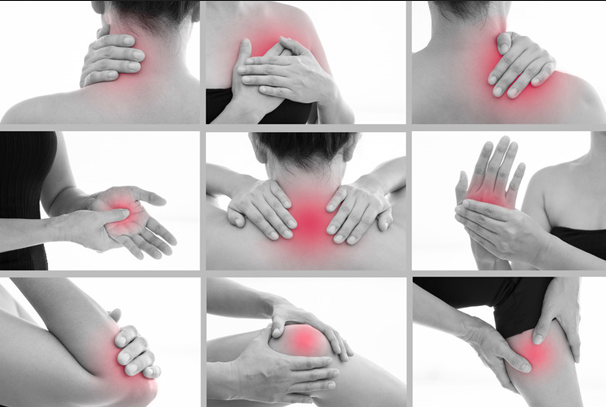
Aches and pains are part of everyday life for many people across the UK and Europe. Whether it’s a stiff knee after a long walk, a sore shoulder from desk work, or aching legs after exercise, discomfort in the body is often brushed off as something temporary. However, understanding whether pain comes from your joints or your muscles is essential. The causes, treatments, and long-term implications can be very different. 


Joint pain and muscle pain may feel similar at first, but they usually signal different underlying issues. Recognising the difference early can help you manage symptoms more effectively and know when to seek professional advice. This article explains thekey differences between joint pain and muscle pain, using clear, UK-native language and practical examples relevant to European lifestyles. 

Understanding the Basics: Joints vs Muscles 


Before comparing the pain, it helps to understand what joints and muscles do. 


Joints are where two or more bones meet. They allow movement and provide stability. Common joints include the knees, hips, shoulders, elbows, wrists, and fingers. Joints are supported by cartilage, ligaments, tendons, and synovial fluid. Muscles are soft tissues that contract and relax to produce movement. 


They are attached to bones via tendons and are responsible for strength, posture, and mobility. Because they serve different roles, pain in these structures often behaves differently. 


What Does Joint Pain Feel Like? 


Joint pain is usually felt deep within or around a joint rather than across a broad area. It often affects movement and may be accompanied by stiffness. Common characteristics of joint pain include: 

  • stiffness, especially in the morning or after resting
  • pain during or after movement
  • swelling or tenderness around the joint
  • a feeling of grinding, clicking, or instability
  • reduced range of motion

 In many cases, joint pain worsens with age, but it is not limited to older adults. Office workers, manual labourers, athletes, and people with sedentary lifestyles across Europe can all experience joint-related discomfort. What Does Muscle Pain Feel Like? Muscle pain, also known as myalgia, is usually broader and more diffuse. It often affects a larger area and may feel sore to the touch. Typical features of muscle pain include: 

  • aching or throbbing sensations
  • tenderness when pressed
  • stiffness after physical activity
  • cramping or spasms
  • pain that improves with rest

 Muscle pain is often linked to overuse, strain, dehydration, stress, or lack of movement. Location: A Key Clue One of the simplest ways to distinguish between joint and muscle pain is location. 

  • Joint pain is usually localised to specific joints, such as the knee, shoulder, or fingers.
  • Muscle pain tends to spread across a muscle group, such as the calves, thighs, or upper back.

 For example, pain directly behind the kneecap when climbing stairs is more likely joint-related, whereas soreness across the front of the thigh after cycling is typically muscular. Movement Patterns and Pain Behaviour How pain responds to movement can offer valuable insight. Joint pain

  • often feels worse after inactivity
  • may ease slightly with gentle movement
  • can worsen with repetitive or weight-bearing activity

 Muscle pain

  • often appears after physical exertion
  • improves with rest and light stretching
  • may feel stiff the day after activity (delayed onset muscle soreness)

 If pain improves steadily with rest, it is more likely muscular. Persistent pain despite rest may suggest joint involvement. Stiffness: Morning vs After Activity Stiffness patterns differ significantly. Joint pain often causes: 

  • morning stiffness lasting more than 30 minutes
  • stiffness after sitting or lying down

 Muscle pain usually causes: 

  • stiffness after heavy use
  • tightness rather than joint locking

 In the UK climate, cold and damp conditions can intensify joint stiffness, while muscle tightness is more closely linked to activity levels. Swelling and Inflammation Swelling is more commonly associated with joint pain than muscle pain. Joint inflammation may cause: 

  • visible swelling
  • warmth around the joint
  • redness in some cases

 Muscle pain may cause: 

  • mild swelling after strain
  • tenderness without visible inflammation

 If swelling is persistent or accompanied by warmth, it is advisable to consult a GP. Common Causes of Joint Pain Across Europe, joint pain is often linked to: 

  • osteoarthritis
  • rheumatoid arthritis
  • joint overuse or wear and tear
  • previous injuries
  • inflammatory conditions
  • excess body weight placing strain on joints

 Joint pain may develop gradually and worsen over time if left unmanaged. 


Common Causes of Muscle Pain 

Muscle pain is frequently caused by: 

  • physical overexertion
  • poor posture
  • prolonged sitting or standing
  • dehydration
  • stress and tension
  • minor muscle strains

 In many cases, muscle pain resolves within days or weeks with appropriate care. Pain Duration and Recovery Time Duration is another important difference. 

  • Muscle pain usually improves within a few days to a couple of weeks.
  • Joint pain often lasts longer and may worsen gradually.

 If pain persists for more than two to three weeks, particularly in a joint, professional assessment is recommended. Impact on Daily Activities Joint pain tends to interfere more with everyday tasks: 

  • climbing stairs
  • opening jars
  • walking long distances
  • getting dressed

 Muscle pain can be uncomfortable but often allows movement, albeit with some soreness. When to Seek Medical Advice In the UK, you should consider seeing a GP or physiotherapist if: 

  • pain is persistent or worsening
  • joints are swollen, warm, or stiff for long periods
  • pain affects sleep or daily activities
  • both sides of the body are affected
  • pain follows illness or injury

 Early assessment can prevent long-term complications. Treatment Approaches Differ Because the causes differ, treatment strategies also vary. Joint pain management may include: 

  • physiotherapy
  • gentle strengthening exercises
  • weight management
  • anti-inflammatory strategies
  • joint-protection techniques

 Muscle pain management often focuses on: 

  • rest and recovery
  • stretching and mobility
  • hydration
  • posture correction
  • gradual return to activity

 Using the wrong approach can delay recovery, highlighting the importance of proper identification. Conclusion: Listening to Your Body Matters Understanding the key differences between joint pain and muscle pain empowers you to respond appropriately. While both are common across the UK and Europe, they should not be treated as the same problem. Joint pain often signals deeper structural or inflammatory issues, whereas muscle pain is usually linked to strain or overuse. 


By paying attention to location, stiffness patterns, swelling, and how pain responds to movement, you can make informed decisions about self-care and professional support. Listening to your body early can make a significant difference in long-term comfort, mobility, and quality of life.

Read more- Joint Pain vs Muscle Pain: How to Tell the Difference

28Jan

Pain in the body is something nearly everyone experiences at some point, whether after a long day at work, a tough workout, or simply due to ageing. Two of the most common complaints are joint pain and muscle pain, and although they can feel similar, they often have very different causes, treatments, and implications for long-term health. 


For many people in the UK, especially those juggling busy jobs, family life, and limited time for rest, pain is often brushed off as “normal”. However, understanding whether your discomfort is coming from your joints or your muscles is an important first step towards proper treatment and preventing future problems. 


This article explains the key differences between joint pain and muscle pain, common causes of each, how they present in everyday life, and when it’s time to see your GP. 

Why It Matters to Know the Difference

 Joint pain and muscle pain affect different structures in the body. Treating muscle pain like joint pain—or vice versa—can delay recovery or even make symptoms worse. Knowing the source of your pain helps you: choose the right self-care strategies avoid unnecessary strain or injury seek medical advice at the right time prevent long-term damage In short, the right diagnosis leads to the right solution. 

Understanding the Basics

 What Is Joint Pain? Joint pain (also known as arthralgia) comes from the areas where two bones meet. Joints are supported by cartilage, ligaments, tendons, and fluid-filled capsules that allow smooth movement. Common joints include: knees hips shoulders elbows wrists fingers ankles Joint pain often affects mobility and may worsen with certain movements or weight-bearing activities. 


What Is Muscle Pain? Muscle pain, or myalgia, comes from the muscles that help your body move and maintain posture. Muscles can become sore due to overuse, injury, tension, or illness. Muscle pain can affect: the neck and shoulders the back the thighs and calves the arms It often feels more widespread and may be linked to physical activity or stress. 

Key Differences Between Joint Pain and Muscle Pain

 Although both can cause discomfort, there are several ways to tell them apart. 

Location of the Pain

 Joint Pain felt deep within or around a joint often localised to a specific area pain may feel sharp, aching, or stiff For example, knee pain when climbing stairs or wrist pain when gripping objects. Muscle Pain felt in the muscle tissue itself can be spread over a larger area often described as sore, tight, or throbbing For instance, aching calves after walking long distances or shoulder soreness after lifting. 

Pain During Movement

 Joint Pain often worsens when moving the joint may improve with rest (in osteoarthritis) movement can feel restricted or painful You may feel pain when bending, twisting, or bearing weight. Muscle Pain often hurts when the muscle contracts or stretches may improve with gentle movement stiffness may ease as you “warm up” Muscle pain commonly follows physical exertion. 

Stiffness Patterns

 Joint Pain stiffness is common, especially after rest morning stiffness may last minutes or hours stiffness may return after sitting still Prolonged morning stiffness is particularly associated with inflammatory joint conditions. 


Muscle Pain stiffness is usually temporary often felt after exercise or long periods of tension improves with movement and stretching 

Swelling and Inflammation

 Joint Pain swelling around the joint is common joints may feel warm or look red swelling can limit movement Inflammation is a key feature of many joint conditions. 

Muscle Pain swelling is less common muscles may feel tight or tender visible swelling usually follows injury Muscle inflammation is often localised and short-lived. 

Types of Sensations

 Joint Pain Sensations grinding or clicking sharp pain during movement deep, aching discomfort instability or “giving way” 

Muscle Pain Sensations dull ache burning feeling tightness or cramping tenderness when touched The quality of pain can be a strong clue. 

Common Causes of Joint Pain

 1. Osteoarthritis The most common cause of joint pain in the UK. It occurs when cartilage wears down over time. Symptoms include: pain during movement stiffness after rest reduced flexibility It often affects knees, hips, hands, and the spine. 

2. Inflammatory Arthritis Conditions such as rheumatoid arthritis cause immune-related inflammation. Early signs include: prolonged morning stiffness swelling and warmth fatigue Early diagnosis is crucial. 

3. Gout Caused by uric acid crystals in the joints. Symptoms include: sudden, severe pain redness and swelling often affects the big toe

 4. Joint Injuries Sprains, ligament tears, or cartilage damage can lead to ongoing joint pain if not properly treated. 


Common Causes of Muscle Pain

 1. Overuse or Strain One of the most common causes. Examples include: gardening lifting heavy objects new or intense exercise Pain usually appears within 24–48 hours. 

2. Muscle Tension and Stress Stress can cause muscles to tighten, especially in the neck, shoulders, and back. This is common among office workers and people with sedentary jobs. 

3. Poor Posture Slouching, long hours at a desk, or improper lifting can strain muscles. 

4. Viral Infections Flu-like illnesses often cause widespread muscle aches. 

5. Dehydration or Mineral Imbalance Low levels of magnesium or potassium can cause cramps and muscle soreness. 

How Long the Pain Lasts

 Joint Pain often chronic or recurring may worsen over time may flare up periodically 

Muscle Pain usually short-term improves within days or weeks resolves with rest and care Persistent muscle pain should still be investigated. 

Pain at Rest

 Joint Pain may persist even at rest can cause night-time discomfort inflammatory joint pain may worsen overnight 

Muscle Pain often improves with rest pain at rest may indicate severe strain or injury 

Impact on Daily Activities

 Joint Pain difficulty walking, climbing stairs, or gripping reduced joint mobility avoidance of certain movements 

Muscle Pain discomfort during movement reduced strength temporarily movement still possible, though uncomfortable 

Self-Checks You Can Do at Home

 While not a substitute for medical advice, these questions can help guide you: Does the pain feel deep inside a joint or in the muscle tissue? Is there visible swelling around a joint? Does movement improve or worsen the pain? Did the pain start after physical activity or gradually over time? Is stiffness worse in the morning or after activity? Patterns matter more than a single symptom. 

When to See Your GP

 You should contact your GP if: pain lasts longer than 2–3 weeks joints are swollen, warm, or red pain interferes with daily life stiffness lasts more than an hour in the morning pain is worsening over time you experience unexplained fatigue or fever Early assessment is particularly important for joint pain. 

Diagnosis: What Your GP May Do

 Your GP may: ask about symptom patterns examine affected areas check range of motion order blood tests request X-rays or scans Accurate diagnosis ensures proper treatment. 

Treatment Approaches Differ

 Treating Joint Pain targeted exercises weight management anti-inflammatory medication physiotherapy joint protection strategies 

Treating Muscle Pain rest and gradual return to activity stretching and massage heat or cold therapy hydration and nutrition stress management Using the wrong approach may delay healing. 

Lifestyle Factors That Influence Both

 Many UK adults experience pain due to lifestyle habits. Helpful strategies include: regular low-impact exercise maintaining a healthy weight improving posture managing stress prioritising sleep Movement is often part of the solution, not the problem. 

Ageing and Pain: What’s Normal?

 While aches become more common with age, persistent pain is not inevitable. Muscle soreness usually recovers Joint pain that worsens over time needs attention Accepting pain as “just getting older” often delays care. 

Pain in Younger Adults

 Joint pain is not limited to older people. Younger adults may experience: early arthritis sports-related joint injuries chronic muscle tension Ignoring symptoms can lead to long-term issues. 

Mental Health and Pain Perception

 Stress, anxiety, and low mood can amplify pain signals. Muscle pain is particularly linked to: emotional stress poor sleep burnout Addressing mental wellbeing can improve physical symptoms. 

Preventing Future Pain

 Prevention strategies differ slightly but overlap: warm up before activity strengthen supporting muscles avoid repetitive strain take regular movement breaks listen to early warning signs Small changes make a big difference. 

Common Myths About Pain

 “Pain means I should stop moving” In most cases, gentle movement helps recovery. “Joint pain and muscle pain are the same” They have different causes and treatments. “Painkillers are the only solution” Medication is only one part of management. 

Conclusion: Listen to Your Body

Understanding whether your pain is coming from your joints or your muscles empowers you to take the right action. Sano flex Forte Muscle pain is often temporary and linked to activity or tension, while joint pain tends to be more persistent and may signal an underlying condition. 

For people across the UK, recognising these differences can prevent unnecessary suffering and protect long-term mobility. Pain is your body’s way of communicating—learning to interpret it properly can make all the difference.https://www.sano-flex.org.uk/

24Jan

Introduction: Health Beyond Diets and Scales

In the UK, health is often discussed only when something goes wrong. People usually think about fitness after weight gain, illness, or exhaustion sets in. However, real health is not reactive; it is built gradually through daily habits. With modern lifestyles becoming increasingly sedentary and stressful, maintaining good health requires intention. Fitness today is less about aesthetics and more about strength, energy, and resilience.


Understanding What “Being Healthy” Actually Means

Health is not simply the absence of illness. It includes physical strength, mental clarity, emotional balance, and the ability to handle daily stress. Many people in the UK manage work, family, and social responsibilities while neglecting their own wellbeing. True health allows individuals to stay active, focused, and confident throughout the day. It is the foundation that supports productivity and quality of life.


Why Modern Lifestyles Affect Physical Health

Desk jobs, long commutes, and screen time have reduced daily movement significantly. Many adults spend hours sitting with minimal physical activity. Over time, this can lead to poor posture, joint stiffness, and low energy levels. Convenience foods and irregular eating patterns further impact digestion and immunity. Without conscious effort, health slowly declines without obvious warning signs.


Nutrition as Daily Fuel, Not a Strict Plan

Eating well should support daily performance rather than follow rigid rules. In the UK, busy schedules often lead to skipped meals or reliance on takeaway food. This affects blood sugar, focus, and mood. Regular, balanced meals provide the body with steady energy and improve concentration. Nutrition should feel supportive, not restrictive or complicated.


Core Habits That Support Daily Health

  • Eating regular meals to maintain stable energy levels
  • Drinking enough water to support focus and digestion
  • Including fruits and vegetables for vitamins and minerals
  • Limiting ultra-processed foods during the week
  • Being mindful of portion sizes without obsession


Fitness as a Tool for Strength and Mobility

Fitness is not only about gym sessions or intense workouts. It is about keeping the body capable and mobile. Activities like walking, stretching, cycling, or light strength training help maintain muscle strength and joint health. Many people in the UK avoid exercise because they believe it requires large time commitments. In reality, even short sessions can make a meaningful difference.


The Role of Consistency in Physical Wellbeing

Health improves when movement becomes a regular part of life. Occasional bursts of activity cannot replace consistent effort. Small actions such as daily walks or brief stretching sessions add up over time. Consistency reduces the risk of injury and improves confidence. When fitness feels manageable, it becomes easier to sustain long term.


Mental Health and Its Impact on the Body

Mental health and physical health are closely connected. Chronic stress affects sleep, digestion, and immunity. Many UK adults experience constant pressure from work and responsibilities, leaving little time for recovery. Poor mental health often shows up physically through fatigue and low motivation. Supporting mental wellbeing is essential for maintaining overall health.


Creating Balance Instead of Burnout

Pushing the body too hard without rest leads to burnout. Health is about balance, not extremes. Rest days, quality sleep, and relaxation are as important as movement and nutrition. Listening to the body prevents injury and improves long-term performance. Balanced routines allow people to stay active without feeling overwhelmed.


Conclusion: Health as a Long-Term Investment

Good health is built through small, daily choices rather than dramatic changes. For people living in the UK, sustainable health comes from balanced eating, regular movement, mental wellbeing, and adequate rest. When health is treated as a lifestyle instead of a short-term goal, it becomes easier to maintain. Investing in health today leads to better energy, resilience, and quality of life in the future.

23Jan

Workout education is becoming an essential part of modern fitness culture in the UK and across Europe. As more people recognise the importance of physical activity for long-term health, there is a growing understanding that knowing how to exercise properly is just as important as exercising itself. Workout education goes beyond following trends or copying routines from social media; it empowers individuals with the knowledge to train safely, effectively, and sustainably.


In a world filled with conflicting fitness advice, workout education helps people make informed decisions about their bodies, their goals, and their wellbeing. It bridges the gap between motivation and meaningful progress, ensuring that exercise supports health rather than causing injury or frustration.

What Is Workout Education?

Workout education refers to learning the principles behind exercise, movement, and training. It includes understanding correct technique, training structure, recovery, progression, and how the body responds to physical stress. Instead of blindly following workouts, educated exercisers know why they are doing certain movements and how to adapt them to their needs.In the UK, this approach is increasingly promoted by fitness professionals, physiotherapists, and public health bodies. 

The aim is to move away from one-size-fits-all routines and towards personalised, informed training that respects individual differences.Workout education is not reserved for athletes or gym professionals. It is valuable for beginners, experienced gym-goers, older adults, and anyone who wants to stay active safely.

Why Workout Education Matters More Than Ever


Access to fitness information has never been easier, yet misinformation is widespread. Online workouts, influencers, and trends often prioritise aesthetics or intensity over health and safety. Without proper workout education, people may unknowingly train with poor technique, overload their bodies, or neglect recovery.Across Europe, rising rates of exercise-related injuries highlight the need for better education.

 Workout education helps prevent common issues such as back pain, joint problems, and muscle imbalances. It teaches people how to listen to their bodies and recognise the difference between healthy effort and harmful strain.Educated training also leads to better results. When people understand how exercise works, they are more likely to stay consistent and see long-term benefits.

Understanding the Basics of Movement


At the heart of workout education is learning fundamental movement patterns. These include pushing, pulling, squatting, hinging, rotating, and stabilising. Most exercises are variations of these basic patterns.In the UK fitness industry, there is growing emphasis on mastering these movements before increasing weight or intensity. 

Proper technique improves efficiency, reduces injury risk, and builds a strong foundation for progress.Workout education teaches that quality of movement matters more than quantity. Performing exercises well, even with lighter loads, is far more beneficial than rushing through poorly executed reps.

The Role of Strength and Conditioning Knowledge


Strength training is often misunderstood, particularly among beginners. Workout education clarifies that strength training is not just about lifting heavy weights or building muscle size. It supports bone health, posture, metabolism, and functional ability.

Understanding concepts such as progressive overload, rest periods, and exercise selection allows people to train smarter. Instead of constantly changing routines or pushing to exhaustion, educated exercisers apply structure and patience.In the UK, strength training is increasingly recommended for all age groups, including older adults, as part of a balanced fitness approach.

Cardiovascular Training and Its Purpose


Workout education also covers cardiovascular exercise, helping people understand how different intensities affect the body. Walking, cycling, running, and swimming all serve different purposes depending on duration and effort.Many people believe cardio must be exhausting to be effective. 

Education challenges this myth by explaining heart rate zones, endurance development, and recovery. Moderate, consistent cardio can be just as valuable as high-intensity sessions.This knowledge is particularly relevant in Europe, where active transport such as walking and cycling can be integrated into daily life as part of a broader fitness strategy.

Recovery as a Key Part of Training


One of the most overlooked aspects of fitness is recovery. Workout education highlights that progress happens not during exercise, but during rest. Sleep, nutrition, hydration, and active recovery all play vital roles.In the UK’s fast-paced culture, many people struggle to balance training with work and family life. Education helps them understand when to push and when to rest, reducing burnout and overtraining.

Learning to respect recovery improves both physical results and mental wellbeing, making exercise more enjoyable and sustainable.

Adapting Workouts to Individual Needs


No two bodies are the same, and workout education reinforces this reality. Age, fitness level, injury history, and lifestyle all influence how a person should train. What works for one individual may not suit another.Education encourages modification rather than comparison. 

Exercises can be adjusted to accommodate limited mobility, previous injuries, or time constraints. This inclusive approach makes fitness accessible to a wider range of people across Europe.Workout education empowers individuals to take ownership of their training rather than relying entirely on external instruction.

Mental Benefits of Workout Education


Understanding exercise builds confidence. When people know what they are doing and why, they feel more in control and less intimidated by gyms or classes. 


This confidence is especially important for beginners or those returning to exercise after a long break.Workout education also reduces anxiety around fitness. Instead of worrying about doing things “wrong,” educated exercisers focus on learning and gradual improvement. 

This mindset shift supports long-term adherence and enjoyment.In the UK, where mental health awareness is growing, exercise education is increasingly recognised as a tool for psychological resilience as well as physical health.

The Importance of Reliable Information


Workout education depends on credible sources. Qualified fitness professionals, evidence-based guidelines, and reputable health organisations provide reliable information. In contrast, trends driven by social media often lack scientific backing.


Learning how to evaluate fitness advice is part of workout education. Understanding basic anatomy and training principles helps people identify unrealistic claims and avoid harmful practices.


Across Europe, there is a push for better public education around physical activity to support healthier populations and reduce healthcare costs.

Building Lifelong Fitness Habits


The ultimate goal of workout education is not short-term performance, but lifelong movement. When people understand how to train safely and effectively, they are more likely to stay active as they age.Workout education supports adaptability. 


As life circumstances change, educated individuals can adjust their routines without abandoning exercise altogether. This flexibility is key to long-term health and independence.

Fitness becomes a skill rather than a challenge, integrated naturally into everyday life.

Conclusion


Workout education is a powerful foundation for healthier, safer, and more effective exercise. For people in the UK and across Europe, it provides clarity in a crowded fitness landscape and empowers individuals to make informed choices about their bodies.


By learning the principles behind movement, strength, cardio, and recovery, people can train with confidence and purpose. judge your health Workout education transforms exercise from a confusing obligation into a meaningful, sustainable practice—supporting not just physical fitness, but overall wellbeing for life.https://www.judgeyourhealth.com/


Good health is not something that happens automatically; it is built slowly through daily habits, awareness, and balance. In today’s lifestyle, people are surrounded by convenience, technology, and constant pressure, which often leads to neglecting basic health needs. As a result, problems like low energy, weak immunity, digestive issues, stress, and poor sleep have become common even among young people. True health is not just about avoiding illness but about feeling strong, active, and mentally clear every day.This article focuses on overall health from a fresh angle, different from weight loss or fitness-focused content. It explains how internal balance, routine, and mindful living play a major role in long-term wellness. The approach is practical, human, and realistic, without exaggeration or shortcuts.


Health Begins with Daily Awareness

Health is deeply connected to how aware you are of your body and mind. Many people ignore early warning signs such as constant tiredness, poor digestion, mood swings, or lack of focus. These are not normal conditions; they are signals that the body is under stress or imbalance.When daily routines are rushed, meals are skipped, and rest is ignored, the body slowly adapts to survival mode. Over time, this creates chronic issues that are difficult to reverse. Paying attention to how your body responds to food, sleep, stress, and activity helps prevent long-term damage. Awareness is the first step toward real health improvement.


Nutrition as a Foundation for Strong Health

Food plays a much larger role in health than most people realize. Nutrition affects immunity, digestion, brain function, hormone balance, and even emotional stability. Poor food choices do not always show immediate results, but their impact builds quietly over time.Healthy nutrition is not about following trends or strict food rules. It is about eating in a way that supports the body’s natural functions. When meals are balanced and regular, the body maintains stable energy levels and functions efficiently. On the other hand, irregular eating patterns, excess sugar, and processed foods slowly weaken internal systems.

A health-focused diet supports

  • A health-focused diet supports digestion, immunity, and brain function by providing the body with essential nutrients on a regular basis.
  • Balanced meals help maintain stable energy levels, reducing fatigue, irritability, and poor concentration throughout the day.
  • Proper nutrition strengthens the immune system, helping the body fight infections and recover faster from illness.
  • Eating mindfully and consistently builds a healthier relationship with food and supports long-term wellness.

Gut Health and Overall Well-Being

Gut health is one of the most overlooked aspects of overall wellness. The digestive system does much more than break down food. It influences immunity, mood, skin health, and even mental clarity. When digestion is weak, the body struggles to absorb nutrients properly, no matter how healthy the diet is.Poor gut health often shows up as bloating, acidity, irregular digestion, low immunity, or frequent illness. Stress, poor sleep, and processed foods further damage the digestive system. Supporting gut health through regular meals, hydration, and stress management improves overall health from the inside.A healthy gut creates a strong foundation for both physical and mental wellness. When digestion improves, energy levels increase and the body feels lighter and more balanced.


The Importance of Physical Movement

Movement is essential for keeping the body functional and resilient. A sedentary lifestyle affects circulation, posture, joint health, and metabolism. Long hours of sitting reduce blood flow and create stiffness, leading to long-term physical discomfort.Physical activity does not need to be intense to be effective. Gentle, regular movement keeps muscles active, joints flexible, and circulation healthy. Movement also supports mental health by reducing stress and improving mood.The human body is designed to move daily. When movement becomes part of routine life, health improves naturally without extra effort or pressure.


Sleep as a Healing Tool

Sleep is one of the most powerful natural healers for the body. During sleep, the body repairs tissues, balances hormones, and restores mental clarity. Lack of sleep affects nearly every system, including immunity, digestion, and emotional stability.Poor sleep habits are common due to screen exposure, stress, and irregular routines. Over time, sleep deprivation leads to low productivity, mood swings, and increased risk of chronic illness. Quality sleep allows the body to reset and function properly the next day.Creating a regular sleep schedule and respecting rest time improves overall health more than many people realize. Sleep is not optional; it is essential.


Mental Health and Emotional Stability

Mental health is not separate from physical health. Stress, anxiety, and emotional pressure affect digestion, appetite, sleep, and immunity. When the mind is constantly overwhelmed, the body remains in a state of tension.Modern life often encourages constant productivity, leaving little space for mental rest. Over time, this leads to burnout and emotional exhaustion. Taking care of mental health is not a luxury; it is a necessity for long-term wellness.Simple practices such as slowing down, taking breaks, limiting overthinking, and spending time away from screens help restore emotional balance. A calm mind supports a healthy body.


Routine and Discipline for Long-Term Health

Health improves when the body follows a predictable routine. Eating, sleeping, and moving at regular times helps regulate internal systems. Routine reduces stress and improves digestion, sleep quality, and energy levels.Discipline does not mean strict control or punishment. It means creating habits that support health without constant decision-making. When healthy behaviors become automatic, maintaining health becomes easier and more natural.A stable routine protects the body from chaos and supports consistency in daily life.


Avoiding Health Shortcuts

Quick health fixes are tempting, but they often cause more harm than good. Extreme detox plans, miracle supplements, and aggressive routines rarely deliver lasting results. Most shortcuts ignore the body’s natural need for balance and recovery.True health is built slowly. Sustainable habits may seem simple, but they are powerful when practiced consistently. Avoiding shortcuts protects both physical and mental health in the long run.


Conclusion: Health Is Built, Not Found

Health is not something you suddenly achieve; it is something you build every day. Small choices repeated consistently shape long-term wellness. When nutrition, movement, sleep, and mental peace are balanced, the body naturally functions better.Instead of chasing perfection, focus on progress. Respect your body, listen to its signals, and support it with healthy habits. A strong and balanced body allows you to live life with energy, clarity, and confidence.True health is not about trends or quick results. It is about stability, awareness, and long-term care—one day at a time.

12Jan

Maintaining good health is not about sudden changes or extreme measures. For people across Europe, health maintenance is best understood as a long-term commitment to small, consistent habits that support physical strength, mental balance, and overall wellbeing. Rather than reacting to illness, health maintenance focuses on protecting health through everyday choices that fit realistically into modern life.In a world shaped by busy schedules, digital demands, and changing lifestyles, health maintenance tips provide practical guidance for staying well without unnecessary pressure or complexity.

Understanding Health Maintenance

Health maintenance refers to the ongoing actions people take to preserve their health and prevent avoidable problems. It combines awareness, routine, and responsibility, recognising that health is dynamic and influenced by daily behaviour.Key aspects of health maintenance include:

  • physical activity,
  • balanced nutrition,
  • sufficient rest,
  • stress management,
  • preventative care.

This approach aligns with European healthcare values that emphasise prevention, sustainability, and quality of life.

Make Movement a Daily Priority

Regular movement is one of the most effective health maintenance strategies. It supports cardiovascular health, mobility, mental clarity, and energy levels.Health maintenance does not require intense exercise. Instead, it focuses on consistency:

  • walking or cycling for short journeys,
  • using stairs rather than lifts,
  • gentle stretching throughout the day,
  • incorporating movement into daily routines.

Many European towns and cities are designed to encourage walking, making physical activity accessible to most people.

Maintain a Balanced Relationship With Food

Nutrition plays a central role in health maintenance. Rather than strict diets, a balanced and flexible approach to eating supports long-term wellbeing.Key principles include:

  • eating regular meals,
  • including a variety of foods,
  • prioritising fresh and minimally processed ingredients,
  • enjoying meals without guilt.

European food cultures often emphasise quality, seasonality, and shared meals, which naturally support healthier eating habits.

Protect Sleep as a Health Foundation

Sleep is essential for both physical recovery and mental resilience. Yet it is often compromised by work pressures and digital habits.Effective health maintenance tips for sleep include:

  • keeping consistent sleep schedules,
  • reducing screen time before bed,
  • creating a calm sleeping environment,
  • recognising sleep as a health priority.

Across Europe, increasing attention is being given to sleep education as a key part of preventative health.

Manage Stress Before It Becomes Chronic

Stress is unavoidable, but unmanaged stress can undermine health over time. Health maintenance involves recognising stress early and responding proactively.Healthy stress management strategies include:

  • taking regular breaks,
  • practising relaxation techniques,
  • spending time outdoors,
  • balancing responsibilities with recovery.

Many European workplaces are now encouraging healthier approaches to stress to support long-term productivity and wellbeing.

Stay Hydrated and Listen to Your Body

Hydration is a simple but often overlooked aspect of health maintenance. Drinking enough water supports digestion, circulation, and concentration.Equally important is body awareness:

  • noticing signs of fatigue,
  • recognising discomfort early,
  • respecting the need for rest,
  • avoiding pushing through persistent symptoms.

Health maintenance relies on listening to the body rather than ignoring its signals.

Support Mental and Emotional Health

Mental health is a vital part of overall health maintenance. Emotional wellbeing influences energy, motivation, and relationships.Key tips include:

  • allowing time for reflection,
  • maintaining supportive relationships,
  • seeking professional help when needed,
  • avoiding unnecessary self-criticism.

Across Europe, awareness of mental health is increasing, and maintenance strategies are shifting towards early support rather than crisis response.

Keep Social Connections Strong

Social wellbeing plays a significant role in long-term health. Meaningful relationships provide emotional support and reduce feelings of isolation.Health maintenance benefits from:

  • regular contact with friends or family,
  • participation in community activities,
  • balancing social engagement with personal time,
  • nurturing positive connections.

European cultures traditionally value community and shared experiences, which contribute naturally to social wellbeing.

Attend Preventative Health Checks

Preventative care is a core component of health maintenance. Regular check-ups help detect potential issues early and reduce the risk of serious illness.Preventative actions include:

  • attending routine screenings,
  • following vaccination recommendations,
  • consulting healthcare professionals when concerns arise,
  • staying informed about age-appropriate health checks.

European healthcare systems offer a strong foundation for preventative care when individuals actively engage with them.

Create Simple Daily Routines

Health maintenance becomes easier when supported by routines. Structured habits reduce decision fatigue and support consistency.Examples of wellbeing-focused routines include:

  • a regular morning start,
  • scheduled movement breaks,
  • consistent mealtimes,
  • a calming evening routine.

These routines should remain flexible and adaptable to life changes.

Limit Harmful Habits

Health maintenance also involves reducing behaviours that undermine wellbeing. This does not require perfection, but awareness and moderation.Important considerations include:

  • limiting alcohol consumption,
  • avoiding smoking,
  • managing screen time,
  • balancing work and rest.

Small adjustments can significantly improve long-term health outcomes.

Embrace a Long-Term Perspective

Health maintenance is not a short-term project. It is an ongoing process that evolves with age, circumstances, and priorities.A long-term approach:

  • focuses on sustainability,
  • allows for setbacks,
  • encourages learning and adaptation,
  • prioritises consistency over intensity.

This perspective aligns with European approaches to ageing well and maintaining independence.

Conclusion

Health maintenance tips provide practical guidance for protecting wellbeing in everyday European life. By focusing on regular movement, balanced nutrition, quality sleep, stress management, and preventative care, individuals can support their health in realistic and sustainable ways.Trivexol Belgium Health maintenance is not about controlling every aspect of life, but about making informed, supportive choices that protect both body and mind. Through small, consistent actions, Europeans can strengthen resilience, reduce health risks, and enjoy a higher quality of life for years to come.https://www.trivexol.be/

08Jan

Wellness education has become an essential part of modern health awareness in the UK and across Europe. As lifestyles become increasingly fast-paced and digitally driven, many people find it difficult to prioritise their wellbeing. Wellness education provides the knowledge, skills and confidence needed to make informed decisions about physical, mental and emotional health throughout life.Rather than focusing solely on illness or medical treatment, wellness education encourages prevention, self-care and long-term balance. For European societies facing rising stress levels, ageing populations and lifestyle-related conditions, educating people about wellness is no longer optional—it is necessary.

What Is Wellness Education?

Wellness education is a structured approach to teaching individuals how to care for their overall wellbeing. It goes beyond basic health advice and explores how daily habits, environment, mindset and social connections influence long-term health.In the UK and Europe, wellness education typically covers areas such as nutrition, physical activity, mental health, sleep, stress management, emotional resilience and preventive healthcare. The goal is to improve health literacy so people can understand their bodies, recognise early warning signs and make healthier choices independently.Wellness education is not about perfection. It is about awareness, adaptability and sustainable habits that fit into everyday life.

Why Wellness Education Matters in Europe

Across Europe, many of the most common health challenges—such as heart disease, obesity, diabetes and mental health disorders—are closely linked to lifestyle factors. While healthcare systems provide treatment, wellness education focuses on prevention.In the UK, public health initiatives already promote exercise, balanced diets and mental wellbeing. However, wellness education adds depth by helping people understand why these behaviours matter and how to apply them consistently.For European populations, wellness education also supports equality. When people have access to reliable health knowledge, they are better equipped to manage their wellbeing regardless of background or income level.

Wellness Education in Schools and Early Life

Introducing wellness education early in life helps establish healthy behaviours that can last into adulthood. In the UK, schools increasingly include personal, social and health education (PSHE), which addresses physical health, mental wellbeing and emotional development.Teaching children about nutrition, physical activity, emotional regulation and healthy relationships gives them practical tools for everyday life. Across Europe, similar educational approaches are being adopted to help young people manage stress, build confidence and develop resilience.When wellness education starts early, it reduces the likelihood of harmful habits forming later and supports healthier generations overall.

Higher Education and Student Wellbeing

University life can be both exciting and challenging. Academic pressure, financial stress and lifestyle changes can negatively affect wellbeing if not properly managed. Many universities across the UK and Europe now recognise the importance of wellness education for students.Workshops on stress management, sleep hygiene, nutrition and mental health awareness are becoming more common. Student wellbeing services play a key role in educating young adults about balancing responsibilities while caring for their health.Wellness education at this stage helps students develop independence and self-awareness, skills that remain valuable throughout their careers and personal lives.

Workplace Wellness Education

For adults, the workplace is one of the most influential environments affecting wellbeing. Long hours, sedentary routines and constant connectivity can lead to burnout and physical strain.In response, many UK and European employers are introducing workplace wellness education programmes. These may include mental health training, ergonomic guidance, physical activity initiatives and sessions on work-life balance.Educating employees about stress, posture, movement and rest helps create healthier work cultures. It also benefits organisations by improving productivity, morale and staff retention.

Mental Health and Emotional Wellbeing

Mental health is a central pillar of wellness education. Anxiety, depression and chronic stress affect millions of people across Europe, yet many still hesitate to seek support.Wellness education encourages open conversations about mental wellbeing and helps individuals recognise signs of emotional strain early. It also teaches practical coping strategies such as mindfulness, breathing techniques and emotional self-regulation.In the UK, growing awareness campaigns have helped reduce stigma, but education remains key. Understanding the connection between mental and physical health empowers people to treat wellbeing as a whole rather than separate issues.

Digital Wellness Education and Health Literacy

Technology has significantly expanded access to wellness education. Online courses, health apps and digital platforms allow people across Europe to learn at their own pace. This is particularly valuable for those in remote areas or with limited access to in-person services.However, digital wellness education also presents challenges. Misinformation is widespread online, and not all health advice is evidence-based. A crucial aspect of wellness education is teaching people how to evaluate sources, question trends and rely on credible guidance.In the UK and Europe, combining digital tools with professional healthcare advice helps ensure wellness education remains accurate and trustworthy.

Cultural Awareness in Wellness Education

Europe’s cultural diversity means wellness education must be adaptable. Dietary habits, attitudes towards exercise and views on mental health vary between regions and communities.Effective wellness education respects cultural traditions while promoting healthy behaviours. For example, Mediterranean eating patterns, Nordic outdoor lifestyles and Central European social customs all offer valuable insights into balanced living.Wellness education encourages individuals to adapt healthy practices in ways that align with their cultural background, personal values and daily routines.

Challenges to Wellness Education

Despite its benefits, wellness education is not always accessible to everyone. Time constraints, financial limitations and social inequalities can prevent participation.In some cases, healthcare systems still prioritise treatment over education. Addressing this requires collaboration between governments, schools, employers and community organisations.Public policy plays a vital role in supporting wellness education through funding, national strategies and inclusive programmes that reach diverse populations.

The Future of Wellness Education

The future of wellness education in the UK and Europe is increasingly holistic and personalised. As research advances, education will continue to integrate physical, mental, social and environmental wellbeing.Preventive health, lifelong learning and community-based initiatives will become even more important. Wellness education is expected to play a key role in reducing healthcare pressures and improving quality of life.

Conclusion

Wellness education is a powerful foundation for healthier individuals and stronger societies. By equipping people with knowledge, awareness and practical skills, it enables informed choices that support long-term wellbeing.Zenthia UK For people across the UK and Europe, wellness education is not about following trends or quick fixes. It is about understanding health, building resilience and creating sustainable habits that support a balanced life.Investing in wellness education today means investing in a healthier, more informed and more resilient future for all.https://www.zenthia.org.uk/

05Jan

Introduction

Lifestyle health is one of the most important factors influencing long-term wellbeing in the UK and across Europe. While modern healthcare systems are advanced and accessible, many of today’s health problems are not caused by infections or accidents, but by daily lifestyle choices. Poor diet, physical inactivity, lack of sleep, stress, and social isolation have become common features of modern life, gradually affecting both physical and mental health.Lifestyle health focuses on how people live day to day. It recognises that health is not created only in hospitals or clinics, but through everyday habits that are repeated over time. By improving lifestyle health, individuals can prevent many chronic diseases, increase energy levels, and enjoy a better quality of life.


What Is Lifestyle Health?

Lifestyle health refers to the impact of daily behaviours on overall wellbeing. It includes habits related to physical activity, nutrition, sleep, stress management, social interaction, and personal routines. Unlike medical treatment, lifestyle health is largely within an individual’s control.In a European context, lifestyle health must fit into busy schedules, work commitments, family responsibilities, and cultural traditions. It is not about perfection or strict rules, but about balance, consistency, and making informed choices that support the body and mind.


Why Lifestyle Health Matters

Across Europe, lifestyle-related conditions such as heart disease, type 2 diabetes, obesity, high blood pressure, and mental health disorders are increasing. These conditions often develop slowly and are strongly linked to unhealthy routines rather than genetic factors alone.Good lifestyle health helps reduce the risk of these problems. It supports the immune system, improves mental resilience, and allows people to remain active and independent as they age. In the UK, public health campaigns increasingly focus on lifestyle change because prevention is more effective than treatment.


Physical Activity and Lifestyle Health

Regular physical activity is a cornerstone of lifestyle health. Movement keeps the heart strong, supports muscles and bones, and improves circulation.Health authorities in the UK and Europe recommend at least 150 minutes of moderate physical activity per week. This does not require intense exercise or gym membership. Walking, cycling, swimming, gardening, and active commuting are all effective ways to stay active.Lifestyle health encourages incorporating movement naturally into daily routines. Choosing stairs over lifts, walking short distances, or taking movement breaks during work hours all contribute to better health. Regular activity also improves mood and reduces stress.


Nutrition as a Lifestyle Foundation

Diet plays a major role in lifestyle health. What people eat regularly affects energy levels, weight, digestion, and long-term disease risk.Traditional European diets often focus on fresh, seasonal ingredients, balanced portions, and shared meals. Fruits, vegetables, whole grains, lean proteins, dairy, and healthy fats provide essential nutrients that support the body’s systems.Lifestyle health does not promote extreme dieting. Instead, it encourages moderation, variety, and awareness. Reducing ultra-processed foods, excess sugar, salt, and unhealthy fats helps prevent many lifestyle-related diseases.


Sleep and Recovery

Sleep is a vital but often neglected part of lifestyle health. Poor sleep affects concentration, mood, immunity, and metabolism.Most adults need seven to nine hours of sleep per night. Consistent sleep and wake times help regulate the body’s internal clock, improving sleep quality and energy levels.Lifestyle health includes creating healthy sleep routines, such as reducing screen time before bed, avoiding heavy meals late at night, and maintaining a calm sleeping environment. Good sleep supports both physical recovery and emotional balance.


Stress Management and Mental Wellbeing

Mental health is closely linked to lifestyle health. Chronic stress, anxiety, and emotional pressure can weaken the immune system and increase the risk of physical illness.Lifestyle health encourages regular stress management through practical strategies. Physical activity, mindfulness, breathing exercises, hobbies, and time in nature all help regulate stress levels.In Europe, growing awareness of mental wellbeing has highlighted the importance of work-life balance. Setting boundaries, taking breaks, and allowing time for rest are essential lifestyle choices that protect long-term health.


Social Connections and Emotional Health

Human connection is a powerful but often overlooked aspect of lifestyle health. Strong social relationships support emotional wellbeing and reduce feelings of loneliness and isolation.In many European cultures, social interaction through shared meals, community activities, and family gatherings plays an important role in maintaining balance. Lifestyle health includes making time for meaningful relationships, even during busy periods.Studies show that people with strong social networks tend to have better physical health, lower stress levels, and longer life expectancy.


Lifestyle Health in the Workplace

Work has a major influence on lifestyle health, especially in Europe where many people spend long hours at desks.Healthy workplace habits include good posture, regular movement, ergonomic setups, and scheduled breaks. Sitting for long periods can negatively affect circulation, muscles, and posture.Lifestyle health also involves managing workload and preventing burnout. Flexible working arrangements, reasonable working hours, and mental health awareness are increasingly recognised as important for employee wellbeing.


Preventive Healthcare and Lifestyle Choices

Lifestyle health works best when combined with preventive healthcare. Regular medical check-ups, screenings, and vaccinations help identify risks early.Blood pressure monitoring, cholesterol checks, diabetes screening, and cancer prevention programmes are widely available across the UK and Europe. Lifestyle health encourages people to engage with these services proactively rather than waiting for symptoms to appear.Prevention reduces the need for complex treatment and improves long-term outcomes.


Environmental Factors and Lifestyle Health

The environment also shapes lifestyle health. Clean air, access to green spaces, safe housing, and walkable neighbourhoods support healthier living.Many European cities promote lifestyle health through urban planning that encourages walking, cycling, and outdoor activity. Spending time in nature has been shown to reduce stress and improve mental wellbeing.Being aware of environmental influences helps individuals make healthier choices within their surroundings.


Building Sustainable Lifestyle Habits

Lifestyle health is not about sudden transformation. It is about building habits that can be maintained over time.Small changes are often the most effective. Adding a daily walk, improving sleep consistency, cooking more meals at home, or reducing screen time can lead to significant improvements in health.Lifestyle health should adapt to different life stages, work demands, and personal needs. Flexibility and self-awareness are key to long-term success.


Personal Responsibility and Awareness

While healthcare systems provide support, individuals play the central role in maintaining lifestyle health. Awareness, education, and honest self-reflection help people understand how their habits affect their wellbeing.Taking responsibility for lifestyle choices empowers individuals to protect their health and improve their quality of life.


Conclusion

Lifestyle health is a powerful foundation for long-term wellbeing in the UK and across Europe. Ozalyn UK Through balanced nutrition, regular physical activity, quality sleep, stress management, and strong social connections, individuals can prevent many common health problems.Lifestyle health does not require perfection or extreme discipline. It is built through small, consistent habits that support both body and mind. By focusing on how they live each day, people can create a healthier, more resilient future for themselves and their communities.https://www.ozalyns.co.uk/


Good sleep is essential for physical health, mental well-being, and daily performance. In the UK, busy lifestyles, long screen time, and stress often affect sleep quality. Poor sleep can lead to low energy, reduced focus, and long-term health issues. The good news is that you can improve sleep quality naturally by adopting simple, healthy habits.

Maintain a Consistent Sleep Routine

Keeping a regular sleep schedule helps regulate your body’s internal clock, making it easier to fall asleep and wake up refreshed.

Sleep Routine Tips

  • Go to bed and wake up at the same time every day
  • Avoid large changes to your sleep schedule at weekends
  • Create a relaxing bedtime routine

Consistency plays a key role in better sleep.

Create a Sleep-Friendly Environment

Your bedroom environment has a major impact on sleep quality. A calm and comfortable space promotes deep, restful sleep.

Improve Your Sleep Environment

  • Keep the room dark, quiet, and cool
  • Use comfortable bedding and pillows
  • Reduce noise and light distractions
  • Keep electronic devices out of the bedroom

A peaceful environment helps the body relax naturally.

Limit Screen Time Before Bed

Using phones, tablets, or watching TV late at night can interfere with sleep. Blue light from screens reduces melatonin, the hormone responsible for sleep.

Healthy Screen Habits

  • Avoid screens at least one hour before bedtime
  • Use night mode if screen use is necessary
  • Choose reading or listening to calming music instead

Reducing screen time improves sleep quality naturally.

Watch What You Eat and Drink

Diet and timing of meals can affect how well you sleep.

Diet Tips for Better Sleep

  • Avoid caffeine in the evening
  • Limit heavy or spicy meals before bedtime
  • Reduce sugary snacks at night
  • Choose herbal teas such as chamomile

Balanced eating supports restful sleep.

Stay Physically Active During the Day


Regular physical activity helps regulate sleep patterns and reduces stress levels.

Exercise and Sleep

  • Take part in daily physical activity
  • Avoid intense workouts close to bedtime
  • Try light stretching or yoga in the evening

Active days often lead to better nights.

Manage Stress and Relax the Mind

Stress and anxiety are common causes of poor sleep. Relaxing the mind before bed improves sleep quality.

Relaxation Techniques

  • Deep breathing exercises
  • Meditation or mindfulness
  • Writing down worries before bed

A calm mind helps the body fall asleep faster.

Avoid Long Daytime Naps

While short naps can be refreshing, long naps may disrupt night-time sleep.

Napping Tips

  • Limit naps to 20–30 minutes
  • Avoid napping late in the afternoon

Short naps are better for maintaining a healthy sleep cycle.

Conclusion

Improving sleep quality naturally is possible with simple lifestyle changes. By maintaining a regular sleep routine, creating a comfortable sleep environment, limiting screen time, managing stress, staying active, and eating mindfully, you can enjoy deeper and more restful sleep. Quality sleep is the foundation of good health, energy, and overall well-being.

Read more-How to Improve Sleep Quality Naturally

Good sleep is essential for physical health


Good sleep is essential for physical health, mental well-being, and overall quality of life. Poor sleep can lead to fatigue, stress, low concentration, and long-term health problems. The good news is that you can improve sleep quality naturally by making simple changes to your daily routine and lifestyle. Natural sleep habits are safe, effective, and sustainable in the long run.

Maintain a Consistent Sleep Schedule

Going to bed and waking up at the same time every day helps regulate your body’s internal clock. A regular sleep routine makes it easier to fall asleep and wake up feeling refreshed.

  • Go to bed and wake up at the same time daily
  • Avoid sleeping in too late on weekends
  • Create a relaxing bedtime routine

Sleep Schedule Tips

Consistency is key to better sleep.

Create a Sleep-Friendly Environment

Your sleep environment plays a major role in sleep quality. A calm and comfortable bedroom encourages deep and restful sleep.

Improve Your Sleep Environment

  • Keep the room dark and quiet
  • Maintain a comfortable room temperature
  • Use supportive pillows and a good mattress
  • Reduce noise and light distractions

A peaceful environment helps the body relax.


Limit Screen Time Before Bed

Exposure to screens before bedtime can interfere with sleep. Blue light from phones, tablets, and TVs suppresses melatonin, the sleep hormone.

Healthy Screen Habits

  • Avoid screens at least one hour before sleep
  • Use night mode if screen use is necessary
  • Read a book or listen to calming music instead

Reducing screen time improves sleep quality naturally.

Watch Your Diet and Caffeine Intake

What you eat and drink affects how well you sleep. Certain foods and drinks can disturb sleep if consumed too late.

Diet Tips for Better Sleep

  • Avoid caffeine in the evening
  • Limit heavy or spicy meals before bed
  • Avoid excessive sugar at night
  • Drink herbal teas such as chamomile

Balanced eating supports restful sleep.

Stay Physically Active During the Day

Regular physical activity helps regulate sleep patterns and reduce stress. Exercise improves sleep duration and depth.

Exercise and Sleep

  • Engage in daily physical activity
  • Avoid intense workouts close to bedtime
  • Try light stretching or yoga in the evening

Active days often lead to better nights.

Manage Stress and Relax the Mind

Stress and anxiety are common causes of poor sleep. Learning to relax before bedtime helps calm the mind.

Relaxation Techniques

  • Deep breathing exercises
  • Meditation or mindfulness
  • Journaling to release worries

A relaxed mind leads to improved sleep.

Avoid Long Daytime Naps

Short naps can be refreshing, but long naps during the day may interfere with nighttime sleep.

Nap Guidelines

  • Limit naps to 20–30 minutes
  • Avoid napping late in the afternoon

Short naps help without disturbing night sleep.

Conclusion

Improving sleep quality naturally is possible by developing healthy sleep habits and maintaining a balanced lifestyle. By following a consistent sleep schedule, creating a calm sleep environment, managing stress, staying active, and making mindful dietary choices, you can enjoy deeper, more restful sleep. Quality sleep is the foundation of good health, energy, and well-being.

Read more-Mental Health Awareness

27Dec

Mental health awareness is an essential part of building a healthy and balanced society. Just like physical health, mental health affects how we think, feel, act, and cope with daily challenges. Despite its importance, mental health is often misunderstood or ignored, leading to stigma and lack of support. Raising awareness helps people understand mental health better, seek help without fear, and support others with empathy and compassion.

What Is Mental Health?

Mental health refers to a person’s emotional, psychological, and social well-being. It influences how individuals handle stress, relate to others, and make decisions in everyday life. Good mental health does not mean the absence of problems, but the ability to manage emotions and challenges effectively.

Common Mental Health Conditions

  • Anxiety disorders
  • Depression
  • Stress-related disorders
  • Bipolar disorder
  • Post-traumatic stress disorder (PTSD)
These conditions can affect anyone, regardless of age, gender, or background.

Why Mental Health Awareness Is Important

Mental health awareness helps break myths and misconceptions surrounding mental illness. Many people suffer in silence because they fear judgment or discrimination. Awareness encourages open conversations and promotes understanding.

Key Benefits of Mental Health Awareness

  • Reduces stigma and social shame
  • Encourages early diagnosis and treatment
  • Promotes emotional well-being
  • Helps people feel less alone
  • Builds supportive communities
When people are informed, they are more likely to recognize symptoms and seek help at the right time.

Signs of Poor Mental Health

Recognizing early warning signs is crucial for timely support and recovery. Mental health issues may show up differently in each person, but some common signs should not be ignored.

Warning Signs to Watch For

  • Persistent sadness or mood changes
  • Excessive worry or fear
  • Withdrawal from social activities
  • Changes in sleep or appetite
  • Difficulty concentrating
  • Feelings of hopelessness
If these symptoms last for a long time, professional help should be considered.

How to Take Care of Mental Health

Mental well-being can be improved through daily habits and lifestyle choices. Small steps taken consistently can make a big difference in emotional health.

Simple Ways to Improve Mental Health

  • Practice regular physical activity
  • Maintain a balanced diet
  • Get enough sleep
  • Practice mindfulness or meditation
  • Stay connected with family and friends
  • Take breaks and manage stress
Seeking professional support, such as counseling or therapy, is also a strong and positive step toward recovery.

Role of Society in Mental Health Awareness

Mental health is not just an individual responsibility; society plays a major role. Schools, workplaces, families, and communities must work together to create a supportive environment.

How Society Can Help

  • Promote open discussions about mental health
  • Provide access to mental health resources
  • Encourage supportive workplace policies
  • Educate people through campaigns and programs
A supportive society allows individuals to feel safe, understood, and valued.

Breaking the Stigma Around Mental Health

Stigma is one of the biggest barriers to mental health care. Many people believe mental illness is a sign of weakness, which is not true. Mental health conditions are medical conditions that require understanding and treatment, just like physical illnesses.

Ways to Reduce Stigma

  • Talk openly about mental health
  • Avoid negative language and stereotypes
  • Support people seeking help
  • Educate others with accurate information

Conclusion

Mental health awareness is vital for creating a healthier and more compassionate world. By understanding mental health, recognizing warning signs, supporting one another, and encouraging open conversations, we can reduce stigma and improve lives. Mental health matters, and taking care of the mind is just as important as taking care of the body. Awareness is the first step toward healing, acceptance, and lasting well-being.

Read mor-Daily Practices That Support a Healthier Lifestyle


I BUILT MY SITE FOR FREE USING