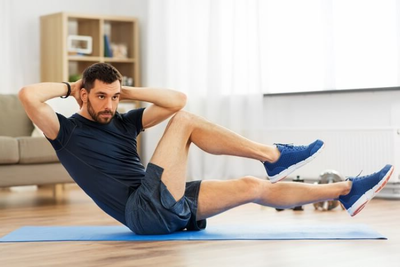
For many people across the UK and Europe, long hours of sitting have become part of everyday life. Whether working at a desk, commuting, studying, or relaxing in the evening, prolonged sitting is now the norm rather than the exception. While it may seem harmless, extended periods of inactivity can significantly affect joint health.
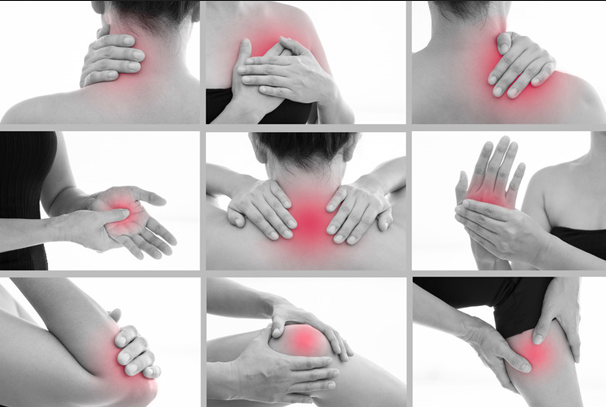
Joint pain caused by long hours of sitting is increasingly common. Stiff hips, aching knees, tight shoulders, and sore lower backs are familiar complaints among office workers and remote professionals alike. Understanding why this happens — and how to prevent it — is essential for protecting long-term mobility and comfort.
Why Sitting Affects the Joints
The human body is designed for movement. Joints rely on regular motion to stay lubricated and nourished. When we sit for extended periods, circulation slows, muscles become inactive, and joints remain in fixed positions.
Synovial fluid — which lubricates joints — circulates more effectively when we move. Without movement, joints may feel stiff and less flexible. Over time, this stiffness can develop into discomfort and even chronic pain.
In many European cities where desk-based work dominates, people may sit for eight to ten hours a day. Even those who exercise in the evening can still experience the negative effects of prolonged daytime sitting.
Common Joints Affected by Prolonged Sitting
Hips
The hips are particularly vulnerable. Sitting keeps the hip flexor muscles in a shortened position, which can lead to tightness and imbalance. Over time, this may cause discomfort at the front of the hips or refer pain into the lower back.
Knees
When seated for long periods, the knees remain bent. This position can increase pressure behind the kneecap and reduce circulation. Many people notice knee stiffness when standing after a long meeting or car journey.
Lower Back
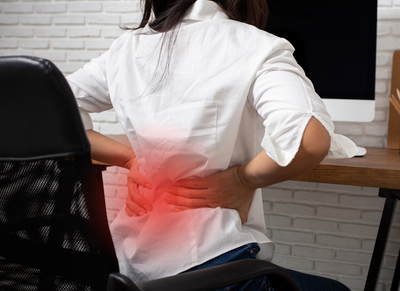
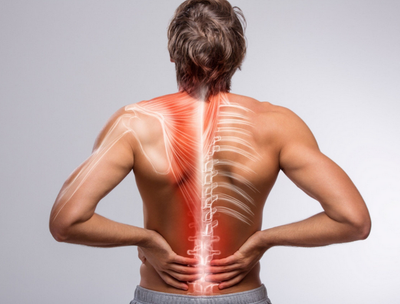
The lower back supports much of the body’s weight when seated. Poor posture — common during computer work — can strain spinal joints and surrounding tissues, leading to persistent aches.
Shoulders and Neck
Desk work often encourages rounded shoulders and forward head posture. This can strain the shoulder joints and cervical spine, causing discomfort that spreads into the upper back.
The Role of Muscle Weakness
Joint pain from sitting is not solely about inactivity; it is also about muscle imbalance. When certain muscles remain inactive for long periods, they weaken. Meanwhile, others may become tight and overworked.For example:
- Weak gluteal muscles reduce hip stability.
- Tight hip flexors increase lower back strain.
- Weak core muscles fail to support the spine.
- Tight chest muscles pull the shoulders forward.
This imbalance places additional stress on joints, increasing the likelihood of discomfort.
Circulation and Joint Stiffness
Sitting for extended periods reduces blood flow to the lower body. Reduced circulation can contribute to stiffness, particularly in colder climates across northern Europe where muscles may already feel tighter.When standing up after prolonged sitting, many people experience a temporary “locking” sensation in the hips or knees. While often harmless, frequent stiffness may indicate that joints are not receiving adequate movement.
Long-Term Consequences of Sedentary Habits
Occasional stiffness is common, but chronic inactivity may increase the risk of more serious joint issues over time.Potential consequences include:
- Accelerated joint degeneration
- Increased risk of osteoarthritis
- Chronic lower back pain
- Reduced mobility
Modern European lifestyles — with increased screen use and remote working — have amplified sedentary habits. Without conscious effort, joint health can gradually decline.
Recognising Early Warning Signs
Joint pain related to sitting often begins subtly. Early signs include:
- Stiffness after sitting for 30–60 minutes
- Discomfort when standing upright
- Aching hips or knees in the evening
- Reduced flexibility
- Neck or shoulder tightness
These symptoms are often dismissed as minor. However, consistent discomfort suggests that daily habits may need adjusting.
Practical Strategies to Reduce Joint Pain
The good news is that joint pain from sitting is often reversible with simple changes.
1. Take Regular Movement Breaks
Standing and moving for just two to three minutes every half hour can significantly improve circulation and joint lubrication. Walking to refill a water bottle or stretching briefly can make a noticeable difference.
2. Adjust Your Workspace
Ergonomic adjustments can reduce strain:
- Keep feet flat on the floor
- Ensure knees are at a 90-degree angle
- Position screens at eye level
- Support the lower back with a cushion if necessary
Across Europe, many employers now offer ergonomic assessments — taking advantage of these resources can prevent long-term discomfort.
3. Strengthen Supporting Muscles
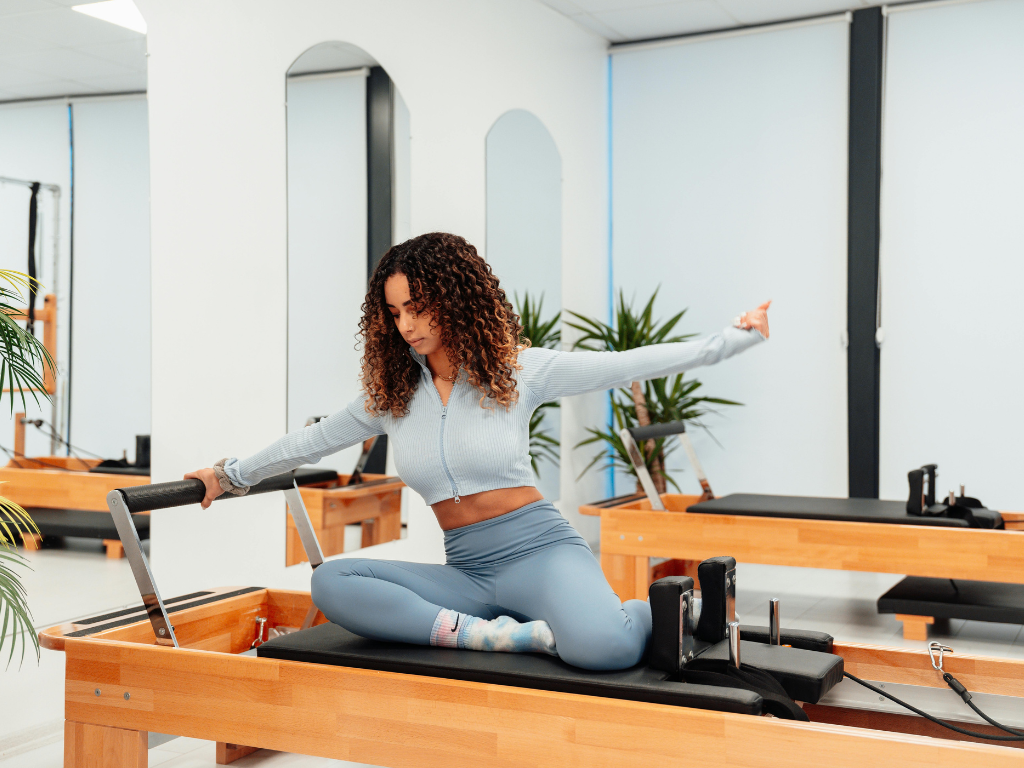
Strength training helps counteract the effects of prolonged sitting. Exercises that target the glutes, core, and upper back are particularly beneficial.Examples include:
- Glute bridges
- Bodyweight squats
- Planks
- Resistance band rows
Even short sessions two to three times per week can improve joint stability.
4. Stretch Tight Areas
Gentle stretching can relieve tension in hip flexors, hamstrings, chest muscles, and shoulders. Incorporating stretching into daily routines — perhaps before bed — can reduce stiffness.
The Importance of Daily Walking
Walking is one of the most accessible ways to protect joint health. It encourages natural joint movement, improves circulation, and strengthens supporting muscles.In many European towns and cities, walking or cycling for short journeys is both practical and beneficial. Choosing stairs instead of lifts or walking part of the commute can gradually offset sedentary hours.
Hydration and Joint Health
Hydration plays a role in maintaining joint lubrication. Dehydration can contribute to stiffness and reduced tissue elasticity. Drinking adequate water throughout the day supports overall joint function.
Managing Weight to Reduce Joint Stress
Excess body weight increases pressure on weight-bearing joints, particularly the knees and hips. Combined with long periods of sitting, this can accelerate discomfort.Maintaining a healthy weight through balanced nutrition and regular movement reduces stress on joints and supports long-term mobility.
When to Seek Medical Advice
While most sitting-related joint pain improves with movement and strengthening, medical advice should be sought if:
- Pain persists despite lifestyle adjustments
- Swelling develops
- Joints become red or hot
- Pain interferes with sleep
A GP can assess symptoms and rule out underlying conditions.
Creating a Movement-Friendly Lifestyle
Preventing joint pain requires shifting mindset. Rather than viewing exercise as a single daily session, movement should be woven throughout the day.Practical ideas include:
- Standing during phone calls
- Walking meetings where possible
- Stretching while watching television
- Setting reminders to move
Small changes accumulated daily can protect joints over the long term.
Final Thoughts
Joint pain caused by long hours of sitting is a growing concern across the UK and Europe. Modern work habits have increased sedentary time, placing strain on joints that are designed to move regularly.
The encouraging news is that this type of joint pain is often preventable and manageable.GLPura GLP1 Regular movement, strength training, posture awareness, and healthy daily habits can dramatically reduce discomfort.https://www.glpura.org.uk/