Workout Education: Building Knowledge for Smarter, Safer, and More Effective Training
Workout education is becoming an essential part of modern fitness culture in the UK and across Europe. As more people recognise the importance of physical activity for long-term health, there is a growing understanding that knowing how to exercise properly is just as important as exercising itself. Workout education goes beyond following trends or copying routines from social media; it empowers individuals with the knowledge to train safely, effectively, and sustainably.
In a world filled with conflicting fitness advice, workout education helps people make informed decisions about their bodies, their goals, and their wellbeing. It bridges the gap between motivation and meaningful progress, ensuring that exercise supports health rather than causing injury or frustration.
What Is Workout Education?
Workout education refers to learning the principles behind exercise, movement, and training. It includes understanding correct technique, training structure, recovery, progression, and how the body responds to physical stress. Instead of blindly following workouts, educated exercisers know why they are doing certain movements and how to adapt them to their needs.In the UK, this approach is increasingly promoted by fitness professionals, physiotherapists, and public health bodies.
The aim is to move away from one-size-fits-all routines and towards personalised, informed training that respects individual differences.Workout education is not reserved for athletes or gym professionals. It is valuable for beginners, experienced gym-goers, older adults, and anyone who wants to stay active safely.
Why Workout Education Matters More Than Ever
Access to fitness information has never been easier, yet misinformation is widespread. Online workouts, influencers, and trends often prioritise aesthetics or intensity over health and safety. Without proper workout education, people may unknowingly train with poor technique, overload their bodies, or neglect recovery.Across Europe, rising rates of exercise-related injuries highlight the need for better education.
Workout education helps prevent common issues such as back pain, joint problems, and muscle imbalances. It teaches people how to listen to their bodies and recognise the difference between healthy effort and harmful strain.Educated training also leads to better results. When people understand how exercise works, they are more likely to stay consistent and see long-term benefits.
Understanding the Basics of Movement
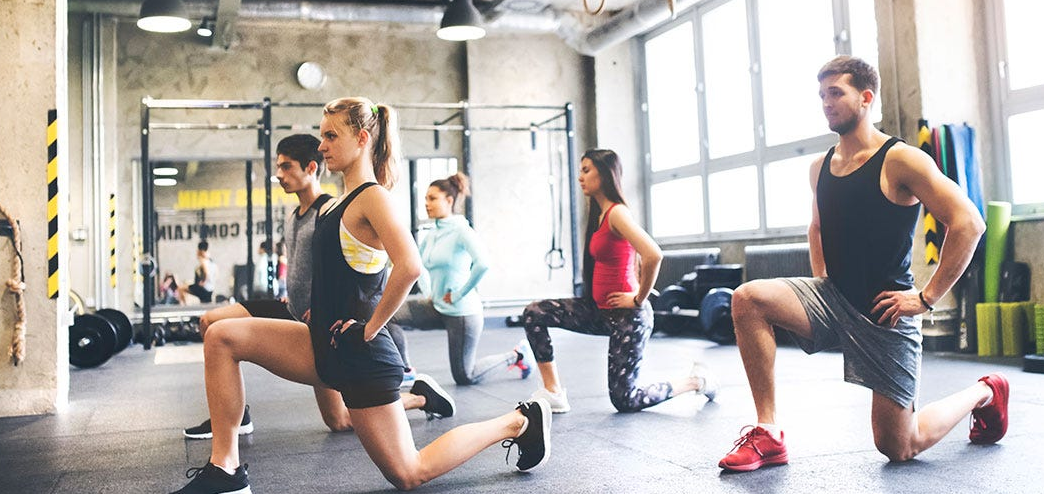
At the heart of workout education is learning fundamental movement patterns. These include pushing, pulling, squatting, hinging, rotating, and stabilising. Most exercises are variations of these basic patterns.In the UK fitness industry, there is growing emphasis on mastering these movements before increasing weight or intensity.
Proper technique improves efficiency, reduces injury risk, and builds a strong foundation for progress.Workout education teaches that quality of movement matters more than quantity. Performing exercises well, even with lighter loads, is far more beneficial than rushing through poorly executed reps.
The Role of Strength and Conditioning Knowledge
Strength training is often misunderstood, particularly among beginners. Workout education clarifies that strength training is not just about lifting heavy weights or building muscle size. It supports bone health, posture, metabolism, and functional ability.
Understanding concepts such as progressive overload, rest periods, and exercise selection allows people to train smarter. Instead of constantly changing routines or pushing to exhaustion, educated exercisers apply structure and patience.In the UK, strength training is increasingly recommended for all age groups, including older adults, as part of a balanced fitness approach.
Cardiovascular Training and Its Purpose
Workout education also covers cardiovascular exercise, helping people understand how different intensities affect the body. Walking, cycling, running, and swimming all serve different purposes depending on duration and effort.Many people believe cardio must be exhausting to be effective.
Education challenges this myth by explaining heart rate zones, endurance development, and recovery. Moderate, consistent cardio can be just as valuable as high-intensity sessions.This knowledge is particularly relevant in Europe, where active transport such as walking and cycling can be integrated into daily life as part of a broader fitness strategy.
Recovery as a Key Part of Training
One of the most overlooked aspects of fitness is recovery. Workout education highlights that progress happens not during exercise, but during rest. Sleep, nutrition, hydration, and active recovery all play vital roles.In the UK’s fast-paced culture, many people struggle to balance training with work and family life. Education helps them understand when to push and when to rest, reducing burnout and overtraining.
Learning to respect recovery improves both physical results and mental wellbeing, making exercise more enjoyable and sustainable.
Adapting Workouts to Individual Needs
No two bodies are the same, and workout education reinforces this reality. Age, fitness level, injury history, and lifestyle all influence how a person should train. What works for one individual may not suit another.Education encourages modification rather than comparison.
Exercises can be adjusted to accommodate limited mobility, previous injuries, or time constraints. This inclusive approach makes fitness accessible to a wider range of people across Europe.Workout education empowers individuals to take ownership of their training rather than relying entirely on external instruction.
Mental Benefits of Workout Education
Understanding exercise builds confidence. When people know what they are doing and why, they feel more in control and less intimidated by gyms or classes.
This confidence is especially important for beginners or those returning to exercise after a long break.Workout education also reduces anxiety around fitness. Instead of worrying about doing things “wrong,” educated exercisers focus on learning and gradual improvement.
This mindset shift supports long-term adherence and enjoyment.In the UK, where mental health awareness is growing, exercise education is increasingly recognised as a tool for psychological resilience as well as physical health.
The Importance of Reliable Information
Workout education depends on credible sources. Qualified fitness professionals, evidence-based guidelines, and reputable health organisations provide reliable information. In contrast, trends driven by social media often lack scientific backing.
Learning how to evaluate fitness advice is part of workout education. Understanding basic anatomy and training principles helps people identify unrealistic claims and avoid harmful practices.
Across Europe, there is a push for better public education around physical activity to support healthier populations and reduce healthcare costs.
Building Lifelong Fitness Habits
The ultimate goal of workout education is not short-term performance, but lifelong movement. When people understand how to train safely and effectively, they are more likely to stay active as they age.Workout education supports adaptability.
As life circumstances change, educated individuals can adjust their routines without abandoning exercise altogether. This flexibility is key to long-term health and independence.
Fitness becomes a skill rather than a challenge, integrated naturally into everyday life.
Conclusion
Workout education is a powerful foundation for healthier, safer, and more effective exercise. For people in the UK and across Europe, it provides clarity in a crowded fitness landscape and empowers individuals to make informed choices about their bodies.
By learning the principles behind movement, strength, cardio, and recovery, people can train with confidence and purpose. judge your health Workout education transforms exercise from a confusing obligation into a meaningful, sustainable practice—supporting not just physical fitness, but overall wellbeing for life.https://www.judgeyourhealth.com/
